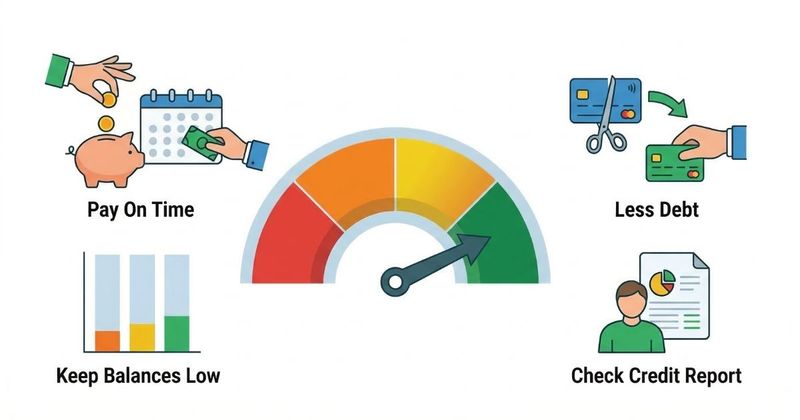
For many individuals in their 40s and 50s, financial priorities begin to shift. Retirement planning starts feeling real, while existing loans, home loans, personal loans, or credit card dues still demand attention. The challenge often becomes clear: how can you work toward becoming debt-free without sacrificing your retirement security?
The goal is not to rush or make extreme financial decisions. Instead, it’s about balancing loan repayment with long-term financial comfort. With thoughtful planning and steady action, it’s possible to move closer to debt freedom while keeping retirement plans intact.
Why This Balance Matters
Carrying heavy debt into retirement can create stress, while neglecting retirement savings to clear debt quickly may lead to future uncertainty. Recent financial reports have also highlighted how rising debt pressure is affecting borrowers across India.
Finding balance helps reduce pressure on both fronts.
1. Understand Your Complete Financial Picture
Clarity is the foundation of balance.
Start by reviewing:
All existing loans and credit obligations, and exploring practical debt management tips for your 40s and 50s, to simplify your financial responsibilities.
Your current savings and retirement plans
Monthly expenses and essential commitments
When you understand where you stand, it becomes easier to prioritise wisely.
2. Avoid Draining Retirement Savings to Clear Debt
It may feel tempting to use retirement savings to close loans immediately. However, withdrawing long-term savings can affect future security.
Instead, consider:
Gradual repayment plans
Structured budgeting
Avoiding emotional financial decisions
Retirement funds are meant for long-term comfort, not short-term relief.
3. Prioritise High-Stress Debts First
Not all debt creates the same emotional pressure. Some loans may feel manageable, while others cause constant anxiety.
Focus on:
Debts that affect mental peace
Obligations with complex repayment terms
Loans that disrupt daily financial flow
Reducing financial stress supports clearer retirement planning.
4. Strengthen Financial Discipline Without Extreme Restrictions
Strengthening discipline also includes learning about financial planning to avoid debt problems in the long run.
Trying to cut every expense drastically can feel unsustainable. Instead of harsh measures, focus on realistic discipline:
Track spending regularly
Limit unnecessary borrowing
Avoid lifestyle inflation
Consistency matters more than aggressive cuts.
5. Continue Retirement Planning Alongside Debt Repayment
Many people pause retirement planning while managing debt. However, small but consistent retirement contributions often support long-term stability.
Even if debt repayment is a priority, retirement awareness should not disappear completely.
6. Avoid Taking New Debt Without Careful Consideration
As retirement approaches, new debt can add pressure. Before borrowing:
Evaluate necessity
Consider long-term comfort
Think about future income stability
Borrowing decisions at this stage deserve extra thought.
7. Consider Structured Debt Resolution Awareness
Some individuals explore structured approaches to manage difficult debts. Understanding the difference between loan settlement and loan restructuring can help bring more clarity before making decisions.
Debt resolution awareness focuses on clarity and responsible handling, not shortcuts or unrealistic expectations.
8. Plan for Emotional Peace, Not Just Financial Targets
Debt and retirement planning both carry emotional weight. Anxiety about money can affect sleep, health, and relationships.
Financial decisions that support peace of mind often create more sustainable outcomes than those driven by fear.
Common Mistakes to Avoid
Ignoring debt until retirement gets closer
Using retirement savings impulsively
Comparing your financial progress with others
Taking new loans to cover existing ones without clarity
Avoiding conversations about money
Avoiding these mistakes helps maintain balance.
Building a Stable Future
Being debt-free and protecting retirement is not about perfection. It is about steady, informed steps. Progress may feel gradual, but consistent effort often builds confidence and financial control.
Retirement should feel like a period of comfort and stability, not financial worry. Thoughtful debt management today can support that goal.
Conclusion
Working toward becoming debt-free without compromising retirement requires balance, patience, and awareness. By understanding your finances clearly, avoiding impulsive decisions, maintaining discipline, and protecting long-term savings, you can move toward greater financial stability.
There may not be a single perfect solution, but calm, consistent planning often leads to stronger outcomes over time.