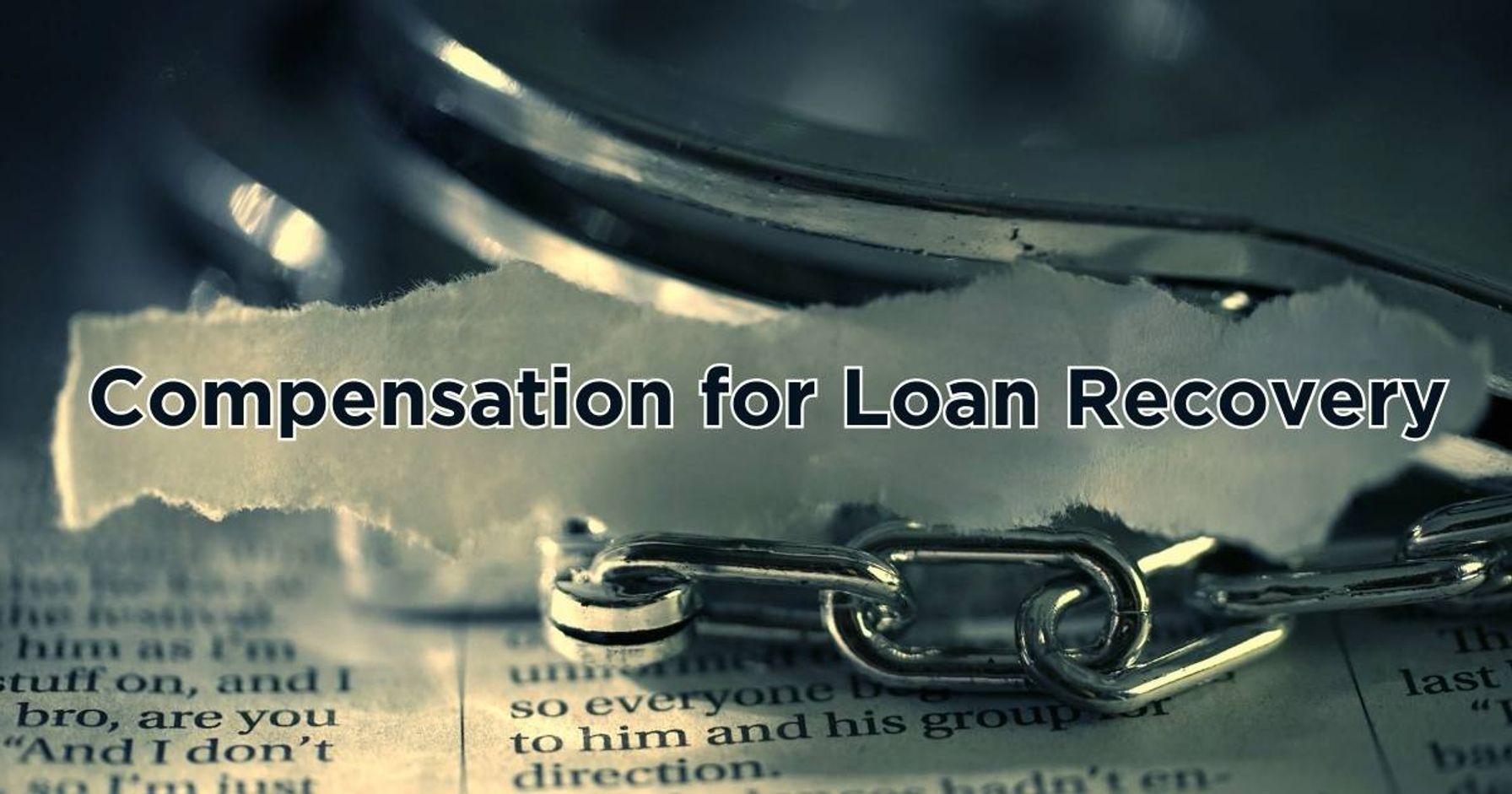
Yes, Indian borrowers possess the juridical right to compensation from NBFCs or banks for unlawful recovery of loans. In the event a recovery agent or lender adopts unlawful modes like threats, harassment, defamation, or unlawful home visits, it amounts to infringement of both legal rules and consumers’ rights. Indian jurisdiction offers unequivocal remedies for such victims under the law of tort, the law of consumers, and the guidelines of the RBI.
1. What Constitutes Illegal Recovery by Banks and NBFCs?
While financial institutions have the legal right to recover dues, they must follow ethical and legal recovery practices. However, many borrowers face:
- Frequent threatening calls
- Public defamation and blackmail
- Unauthorised visits by recovery agents
- Psychological pressure and social humiliation
These actions violate the principles of natural justice and the Consumer Protection Act, 2019. Learn more about how to file a complaint with the Consumer Forum
2. Legal Basis for Claiming Compensation from Banks
A. Law of Torts
If a borrower suffers mental agony, emotional distress, or reputational damage, they can claim damages under tort law.
B. Consumer Protection Act, 2019
This law acknowledges that the wrongdoings of banks, such as harassment and threats, are legitimate grounds for complaint for people. Victims can litigate their case through Consumer Forums and claim compensation.
C. RBI Guidelines
The Reserve Bank of India (RBI) has laid down stringent rules that recovery agents should conduct themselves respectfully without resorting to force or threats. Any breach of such rules is advantageous for the borrower’s damage claim.
Also read: Steps to claim damages from NBFCs or banks
3. Where to File a Complaint – Consumer Forum vs. Civil Court
A. Consumer Forum
- Faster and cost-effective
- Suitable for harassment, mental torture, and unethical practices
- Offers non-pecuniary compensation for emotional suffering
- Download/View the full Act and related rules
B. Civil Court
- Ideal for high-value compensation claims
- Suitable if the case involves defamation or large financial losses
- Can run parallel with Consumer Forum if the causes of action are separate
4. Compensation for Mental Agony, Defamation, and Medical Costs
Victims of unauthorised recovery actions can experience the following:
- Severe depression, anxiety, or stress
- Public disgrace and loss of face
- Health issues like high blood pressure
Payback Could Include:
- Emotional distress compensation
- Medical bill reimbursement related to stress-induced illnesses
- Reputational damage claims, depending on the case
5. Importance of Evidence in Loan Harassment Cases
Strong evidence is crucial to win a compensation claim. Borrowers should:
- Save call recordings and threatening messages
- Take screenshots of abusive texts or emails
- Record video/photo proof of recovery agent visits
- Gather witness statements from neighbours or family
The stronger your evidence, the higher the chance of receiving compensation.
6. Key Judicial Precedents Supporting Borrowers’ Rights
- Shanti Devi Sharma vs ICICI Bank (2011) – Delhi High Court
Held the bank liable for its agents’ harassment and awarded damages. - ICICI Bank Ltd. v. Prakash Kaur (2007) – Supreme Court
Condemned the use of “musclemen” and emphasised ethical loan recovery practices. - NCDRC Landmark Case – NT-RS
Ordered compensation for repeated harassment, humiliation, and health impacts due to aggressive recovery actions.
These cases confirm that banks are responsible for the actions of their recovery agents and cannot escape liability by labelling them as third parties.
Conclusion: How Borrowers Can Fight Back Legally
In India, borrowers can resist unlawful loan recovery methods. The law offers several avenues for receiving compensation for mental anguish, damage to reputation, and medical expenses.
Remember these:
- Document every instance of harassment
- Visit the Consumer Forum or Civil Court
- Leverage RBI guidelines and judicial precedents
Victims can not only demand justice but also deter banks from repeating the same wrongdoing
For more expert insights on finance, please subscribe to our YouTube channel - Insights by ExpertPanel