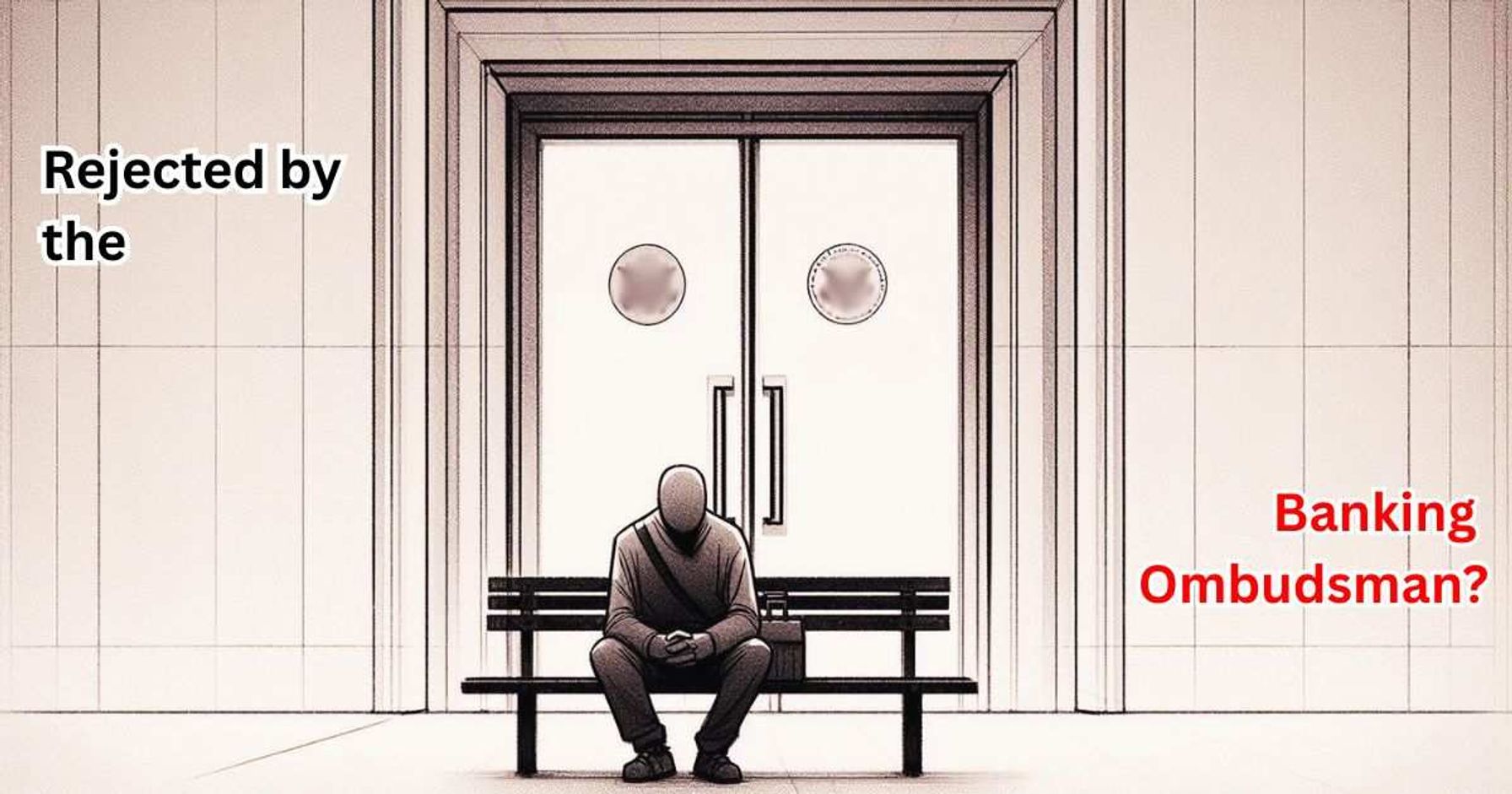
In India, the Banking Ombudsman scheme is often seen as a beacon of hope for customers facing unfair banking practices. But what happens when your complaint is rejected? Is it possible that even a genuine grievance doesn’t qualify under the scheme? The answer is yes, and understanding why can help you avoid disappointment and wasted time.
Let’s explore the lesser-known side of this redressal system.
When Can a Complaint Be Rejected?
The Reserve Bank of India (RBI) has outlined specific conditions under which a complaint can be dismissed. Some of the most common reasons include:
● Inadequate Prior Communication: If you haven’t first raised the issue with your bank and allowed 30 days for their response, the Ombudsman will likely reject your complaint.
● Time-Barred Complaints: If the issue occurred more than a year ago and you didn’t act within that time, your complaint may be considered invalid.
● Already Resolved Matters: If the bank has already given a fair resolution and you simply disagree with the outcome, the Ombudsman might not intervene.
● Frivolous or Malicious Complaints: If your grievance appears baseless or is motivated by intent to harass, it will be dismissed.
Understanding the Ombudsman’s Jurisdiction
Another common reason for rejection is a lack of jurisdiction. For instance, the Banking Ombudsman cannot entertain issues related to service charges not regulated by the RBI or those already under legal proceedings. It’s important to check if your case falls within the scope of the Ombudsman scheme.
What Can You Do If Rejected?
If your complaint is rejected, you still have options:
- File an Appeal: Under the Integrated Ombudsman Scheme (2021), you can appeal the decision within 30 days through the RBI CMS portal.
- Approach a Consumer Forum: You can still raise the matter in the District Consumer Disputes Redressal Commission or other legal bodies.
- Seek Legal Guidance: Especially in complex cases involving fraud, settlement disputes, or harassment, consulting a legal expert can open doors to alternative recourse.
Tips to Avoid Rejection
● Always lodge a written complaint with your bank first.
● Maintain all documentation and communication records.
● File your complaint as soon as the issue arises.
● Be factual and avoid emotional or accusatory language in your submission.
Final Thoughts
While the Banking Ombudsman is an accessible and powerful platform for resolving financial grievances in India, it comes with clearly defined boundaries. Knowing when and how a complaint can be rejected helps you navigate the system more wisely. Be informed, stay timely, and always keep your paperwork in order — because when done right, your voice can be heard.