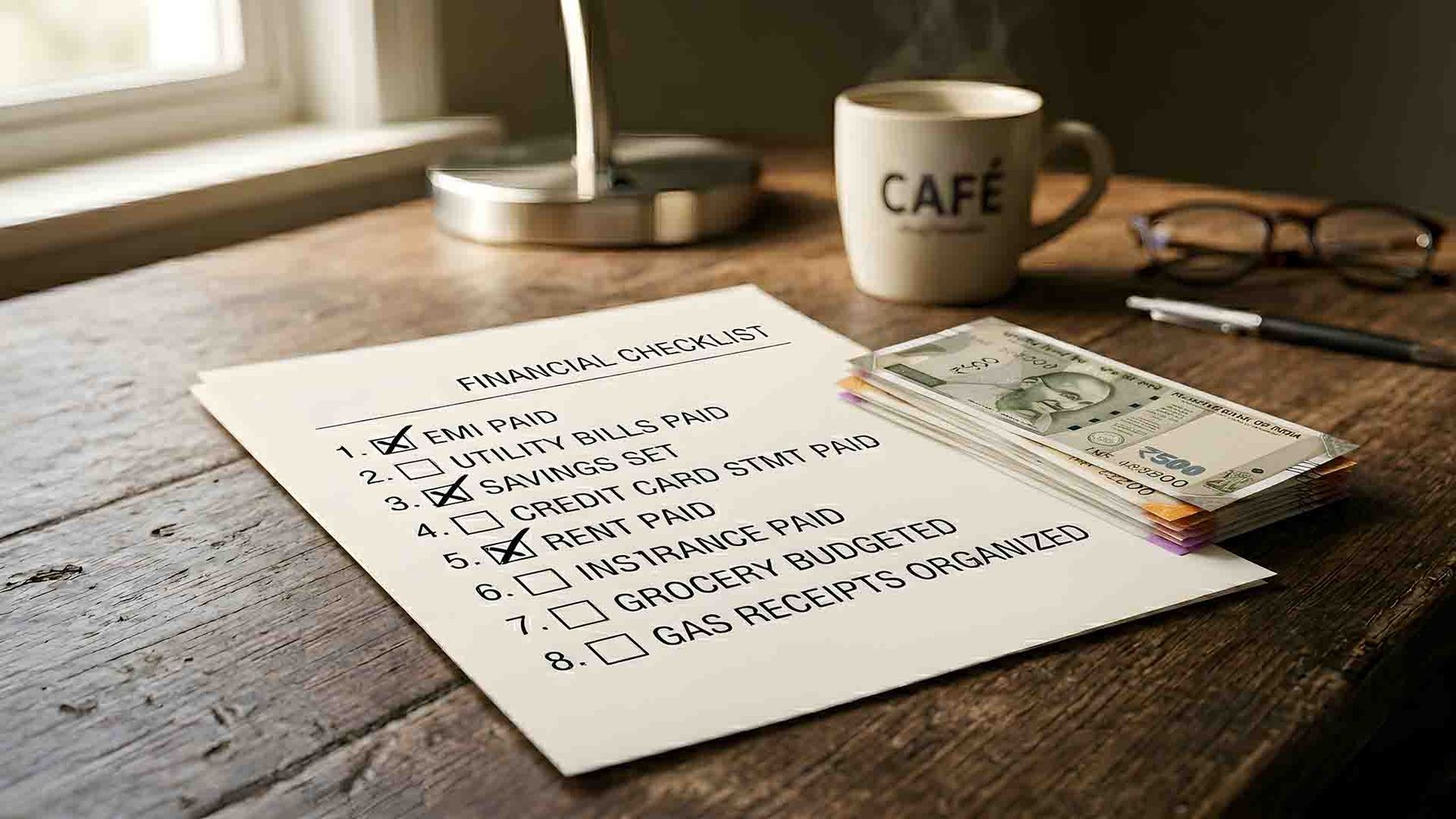
Taking a personal loan can be a practical solution during important life situations. Whether it is for medical needs, home improvement, or managing an urgent expense, a loan can provide timely financial support.
However, once the loan is active, managing your monthly budget becomes equally important. Many people realise that while the loan solves an immediate need, the ongoing EMI can affect everyday expenses if not planned carefully.
The good news is that with a structured approach, it is possible to balance your budget and manage finances responsibly during a personal loan.
Start with a Clear Financial Overview
Before making any adjustments, it is important to understand your current financial situation.
Take a moment to review:
- Monthly income sources
- Fixed expenses such as rent, utilities, and school fees
- Existing EMIs or credit card dues
- Variable expenses like groceries, travel, and lifestyle spending
This clarity helps you understand how much room you have for managing your loan repayment.
Treat EMI as a Fixed Priority
Once you take a personal loan, the EMI becomes a regular financial commitment. Instead of treating it as an extra expense, it is helpful to consider it a fixed part of your monthly budget.
Planning your expenses around the EMI often reduces the risk of last-minute stress.
Create a Practical Budget, Not an Ideal One
Many people create strict budgets that are difficult to follow. Instead, aim for a realistic budget that considers your actual lifestyle.
Focus on:
- Essential expenses first
- Controlled discretionary spending
- Small savings where possible
A practical budget is easier to maintain over time.
Track Your Spending Habits
Sometimes financial pressure increases not because of the loan, but because of unnoticed spending.
Simple steps like:
- Reviewing bank statements
- Tracking digital payments
- Limiting impulse purchases
can help you identify areas where adjustments can be made.
Avoid Taking Additional Loans Without Planning
When managing a personal loan, taking another loan without proper evaluation can increase financial pressure.
Before considering new credit, ask yourself:
- Is it necessary right now?
- Can I manage multiple repayments comfortably?
Careful decision-making helps prevent long-term stress.
Build a Small Financial Cushion
Unexpected expenses can arise at any time. Having even a small financial buffer may help you manage EMI payments more comfortably during uncertain situations.
Building this cushion gradually is often more practical than trying to save aggressively.
Align EMI Dates with Your Income Cycle
If possible, try to align EMI payments with your salary or business income dates. This can help reduce the chances of missed payments or last-minute adjustments.
Even small changes in timing can improve financial flow.
Communicate Early if You Face Difficulty
If you anticipate any difficulty in managing your EMI, it is better to address it early rather than ignoring the situation.
Clear communication and awareness of your options can help reduce unnecessary pressure.
Learn from Common Financial Mistakes
Many budgeting challenges arise due to avoidable habits. Being aware of financial mistakes to avoid in 2026 can help you make better decisions and reduce unnecessary financial strain.
Follow Practical Debt Management Habits
Managing a loan becomes easier when supported by disciplined habits. For individuals balancing responsibilities, these debt management tips for your 40s and 50s can offer useful guidance for handling finances more effectively.
Stay Emotionally Balanced
Financial pressure can sometimes feel overwhelming. It is important not to compare your financial journey with others.
Focus on steady progress rather than perfection. Managing a loan is a phase, and with consistent effort, it can be handled responsibly.
When to Seek Structured Guidance
If managing your loan and daily expenses starts feeling difficult, seeking clarity can help.
Some borrowers explore structured guidance to:
- Understand repayment options
- Reduce communication stress
- Plan finances more effectively
If you are facing ongoing financial pressure, platforms like ExpertPanel.org provide borrower-focused support to help manage such situations responsibly.
Conclusion
Balancing your budget during a personal loan is not about strict control — it is about awareness and consistency.
By understanding your finances, prioritising EMIs, managing spending habits, and planning realistically, you can handle your loan without unnecessary stress.
Financial stability is built through small, consistent decisions. With the right approach, managing a personal loan can become more structured and manageable.